When You're Hurting | When You're Healing
|
When You're Hurting | When You're Healing |
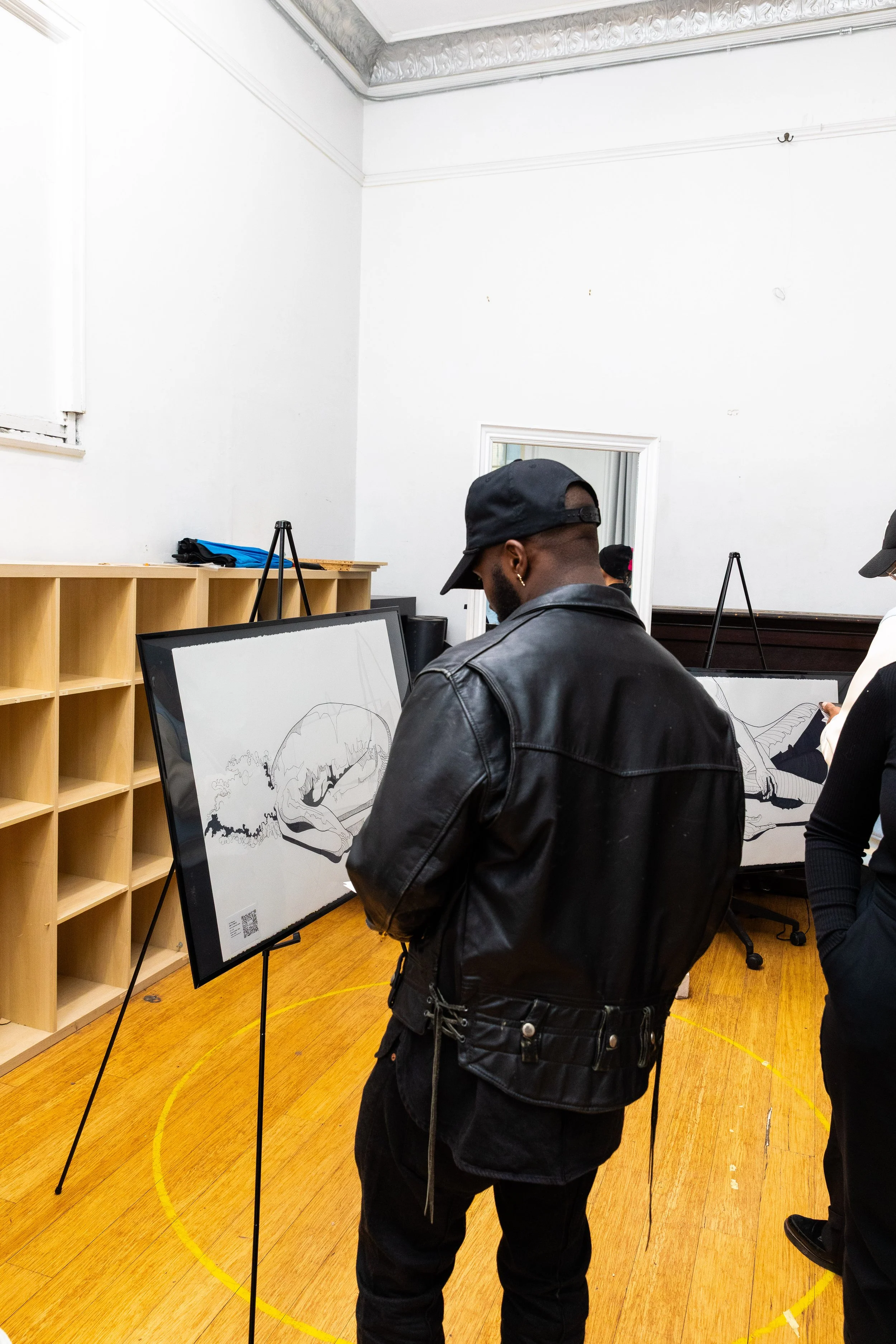
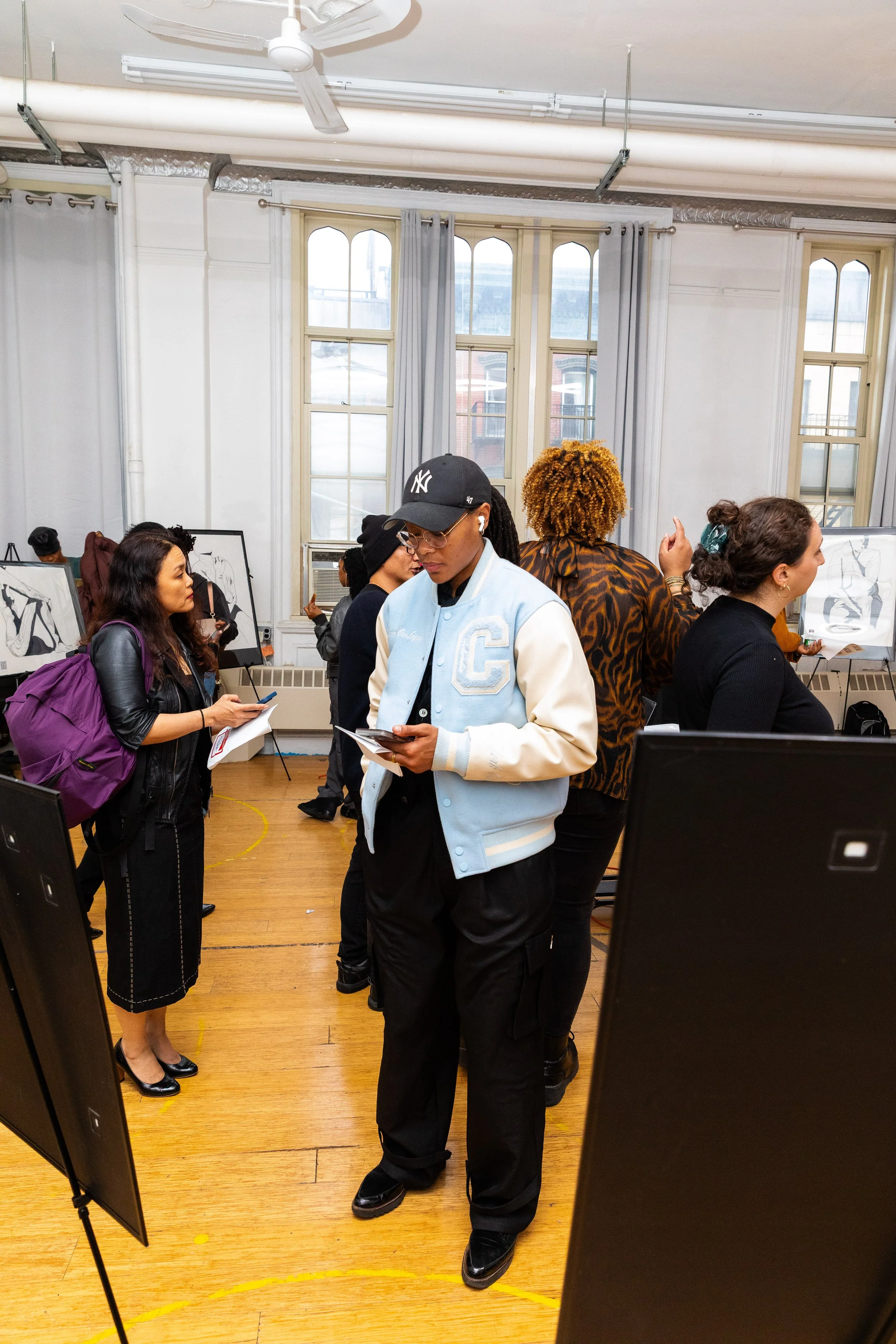
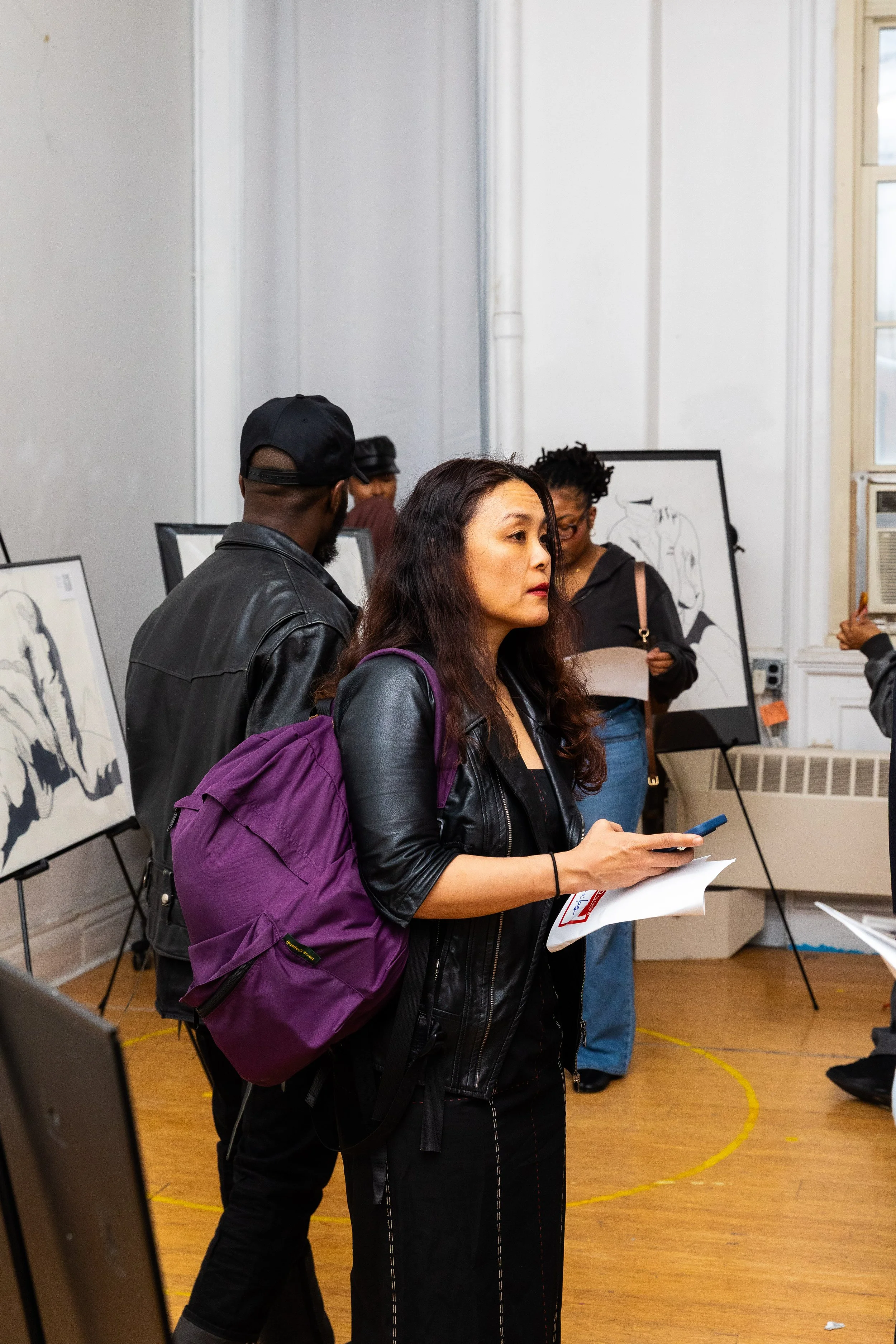
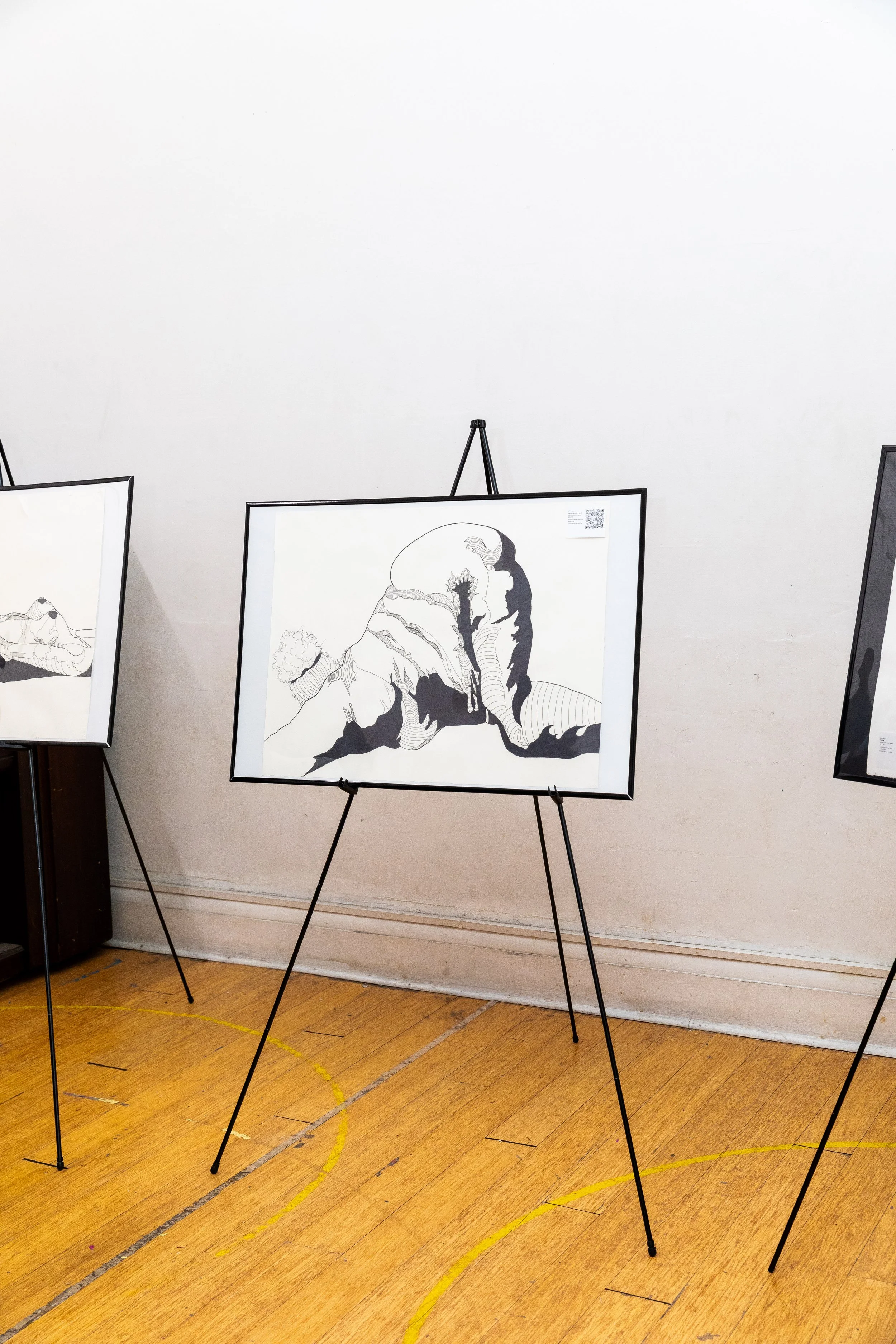
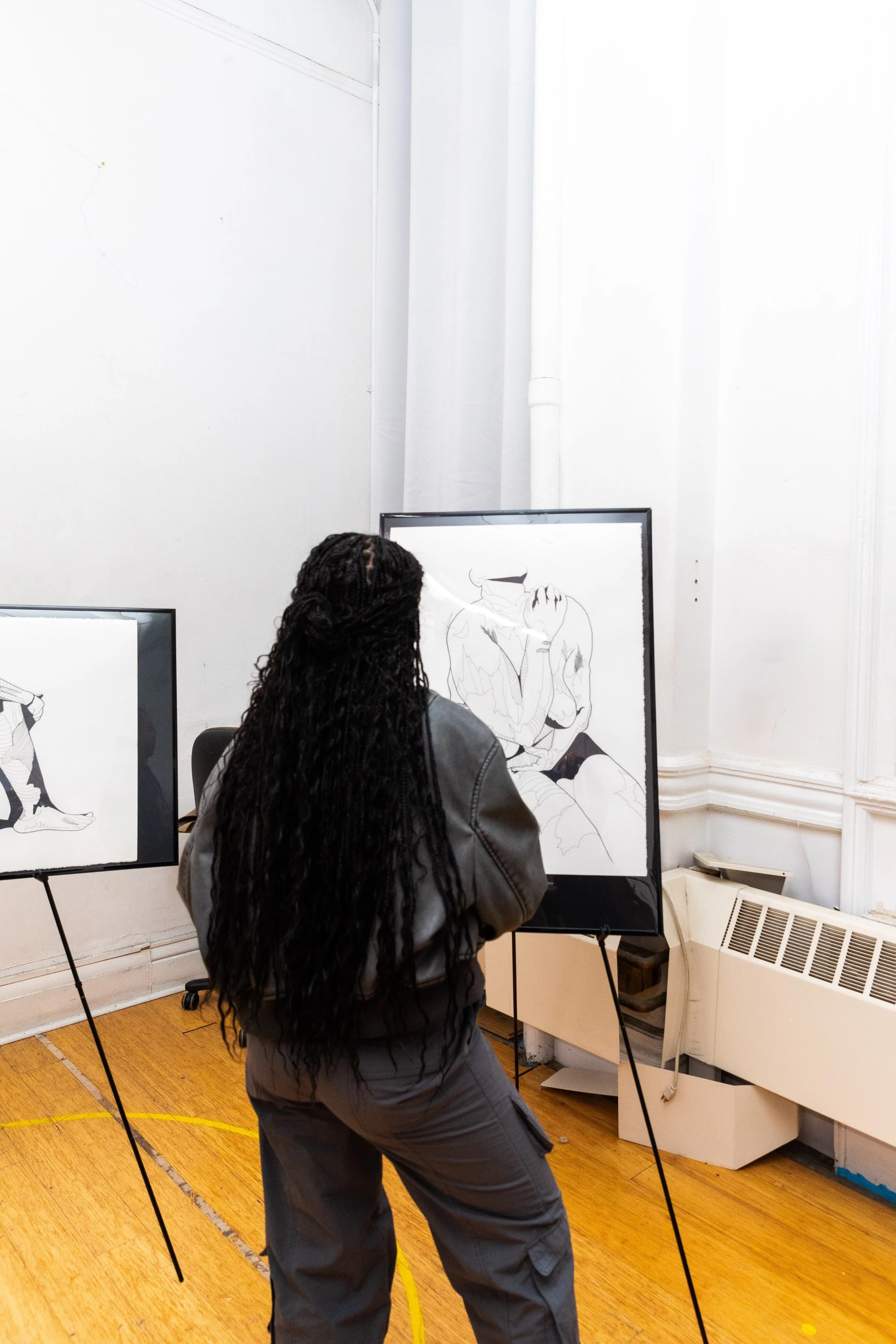
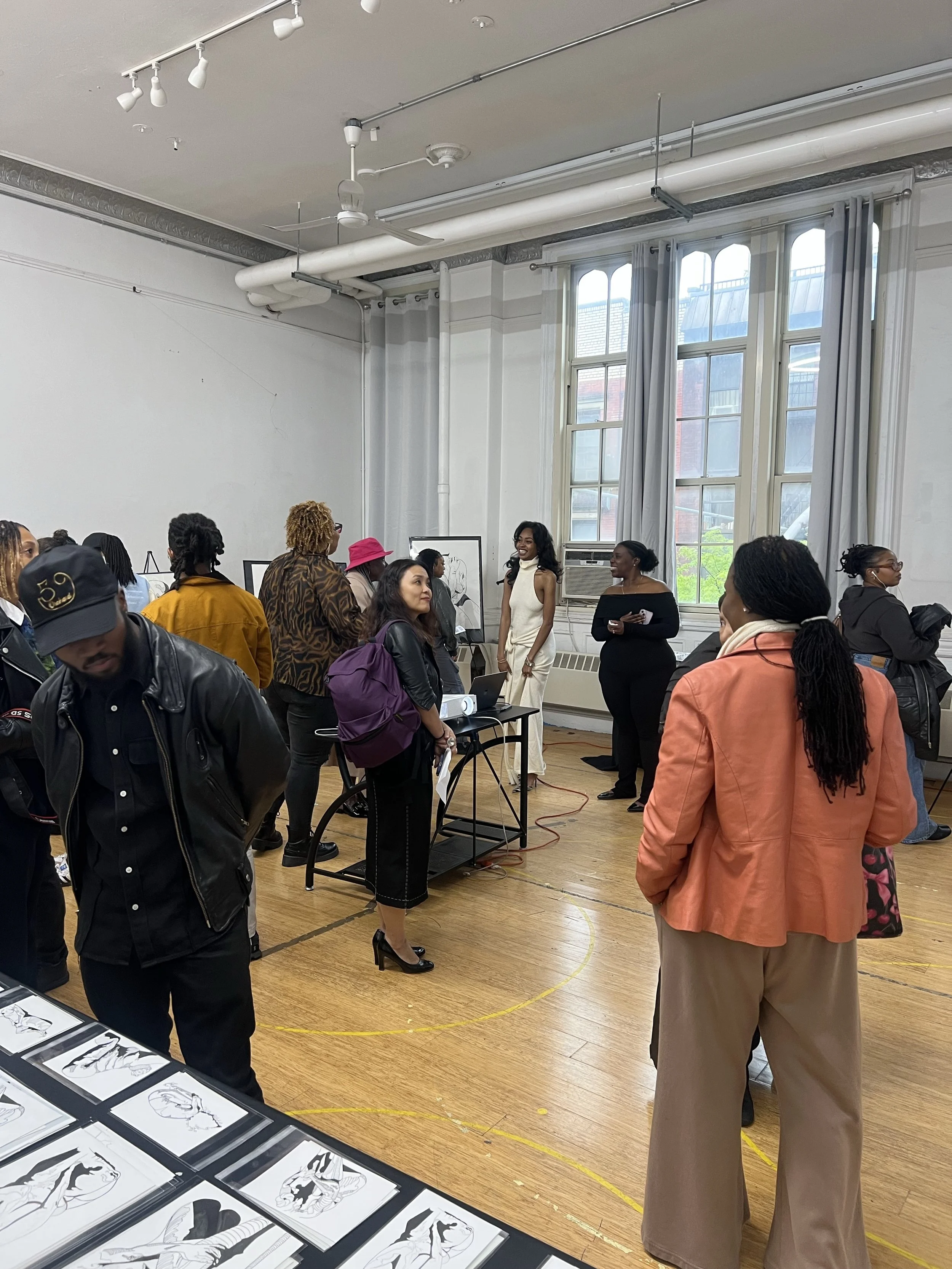
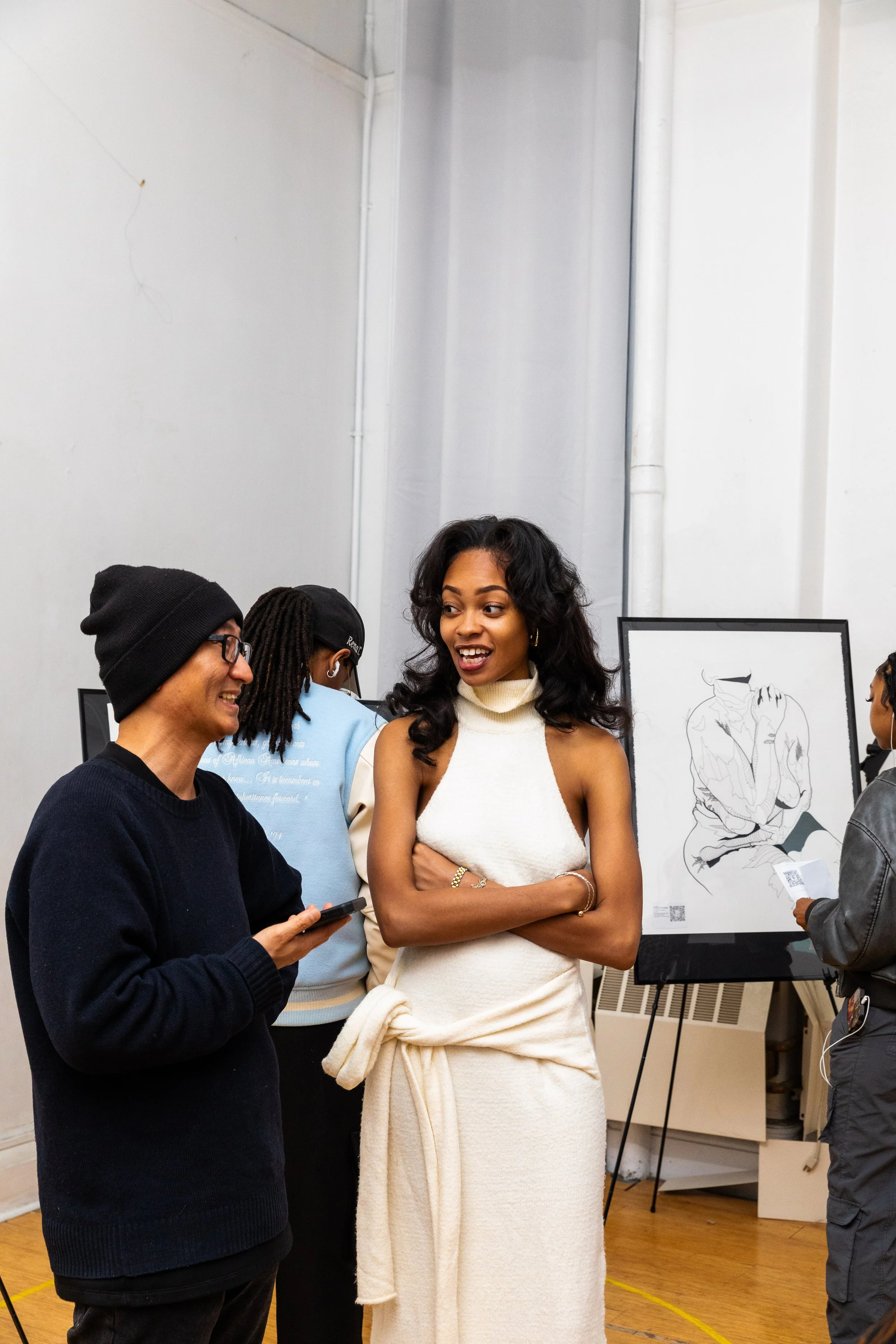
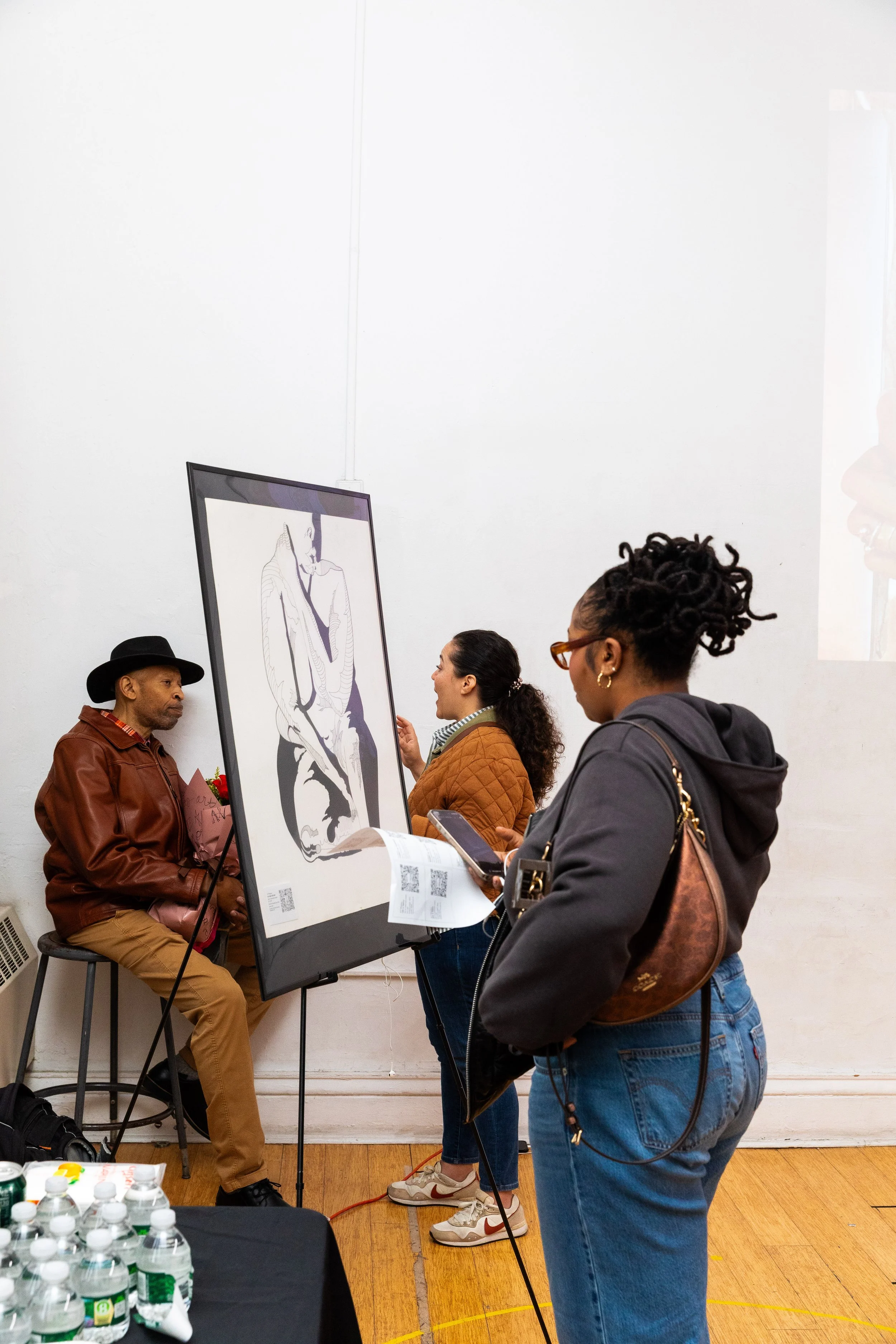
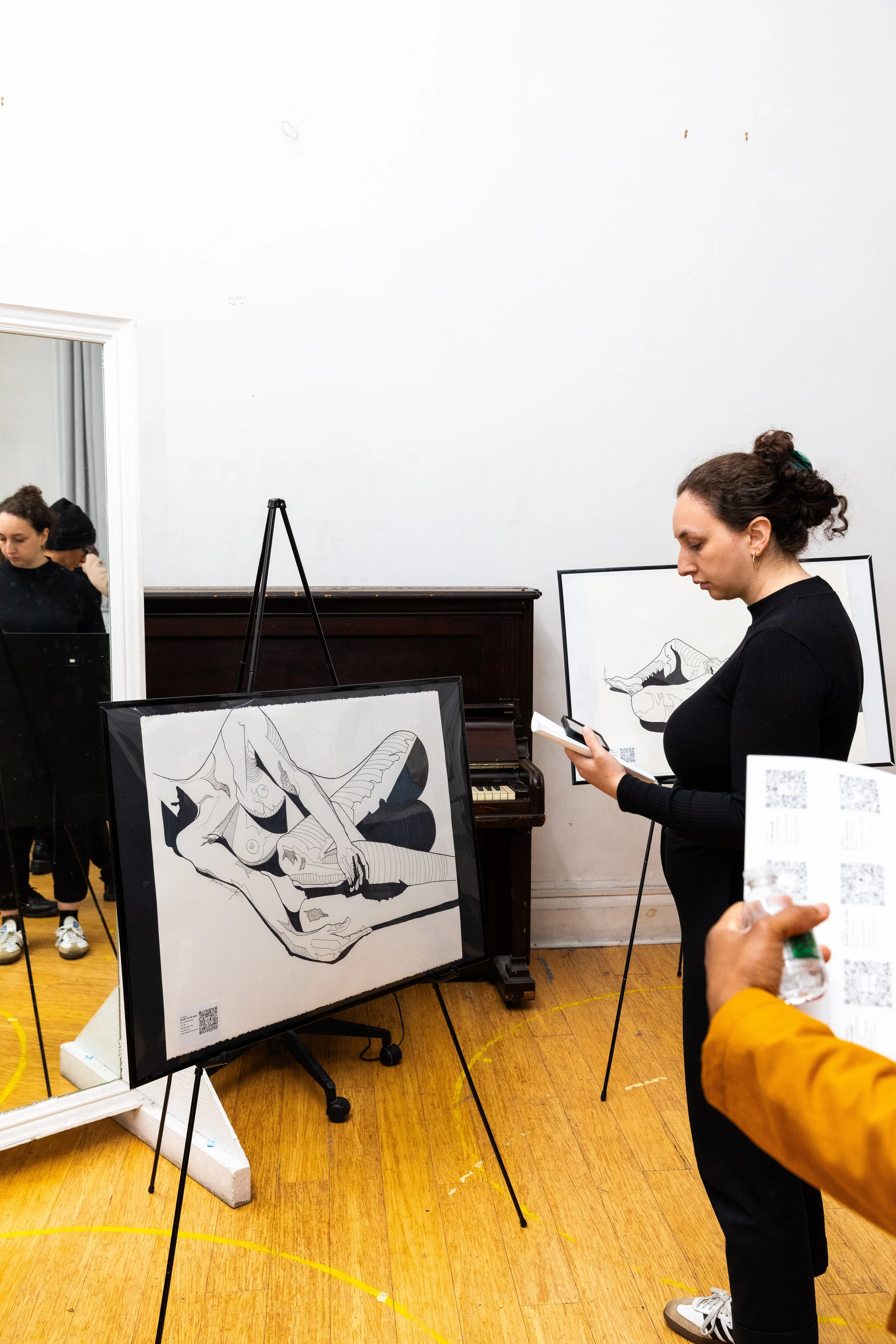
"When You’re Hurting/When You’re Healing" is a visual arts and oral history project working together in conversation with the Black female body and the positions that comfort her when she is hurting. A project designed to open the doors of conversation between Black women across generations as we give ourselves permission to do our own individual work of healing.
This project is a collection of oral histories accompanied by contour line drawings that depict the stories of four participants, Ashley Joy, Carly Heywood, Mia Wright Ross, and Djali Brown Cepda.These women have shared their experiences and truths over a series of interviews with with A.V Wayans between 2020 and 2026. Conversations exploring their mental, emotional, and physical truths, and the practices that they have developed to navigate their healing journey since they were first photographed.
The visual artwork serves as a tool to depict the positions of comfort that these women found themselves returning to in 2016. The work is composed of eight 22’x30’ inch contour line drawings on watercolor paper. Each image is accompanied by a QR code and time-lapse video of the drawing process, narrated by the woman captured in the drawing.
After photographing several Black women in the positions that comfort them when they are hurting in 2016, this project continues to explore the stories of four of the participants. Using a life oral history approach, I interviewed my narrators between 2020 and 2026. I wanted to hear about what their lives had been like over the ten years and what tools they had gained to support their healing journeys. I asked the narrators to share what they observed when they looked at photos of themselves from 2016. In conversation with these women, I realized that this topic was meant to be shared intergenerationally with elders and young girls. The Black community has responded to white body supremacy through the act of silencing themselves for safety. My narrators and I touch on silencing, pain, assault, burnout, and grief, which then manifest themselves in the body in a multitude of ways. Silencing was once a tool that kept our bodies protected from systemic violence in America, but it has become a detrimental habit for young Black girls. I believe that if we offer our stories to one another, we also permit ourselves to heal through self-advocacy. Our bodies indicate when something has happened or is happening to us, in our minds, after a traumatic event, or in our bloodline. I desire that this work be used to open doors for intergenerational conversation among Black women, as a tool for support and permission along our individual healing journeys.