The Value of The Black Female Artist's Hands as a Producer & Commodity: Through the Lens of Sarah Baartman “The Venus Hottentot”.
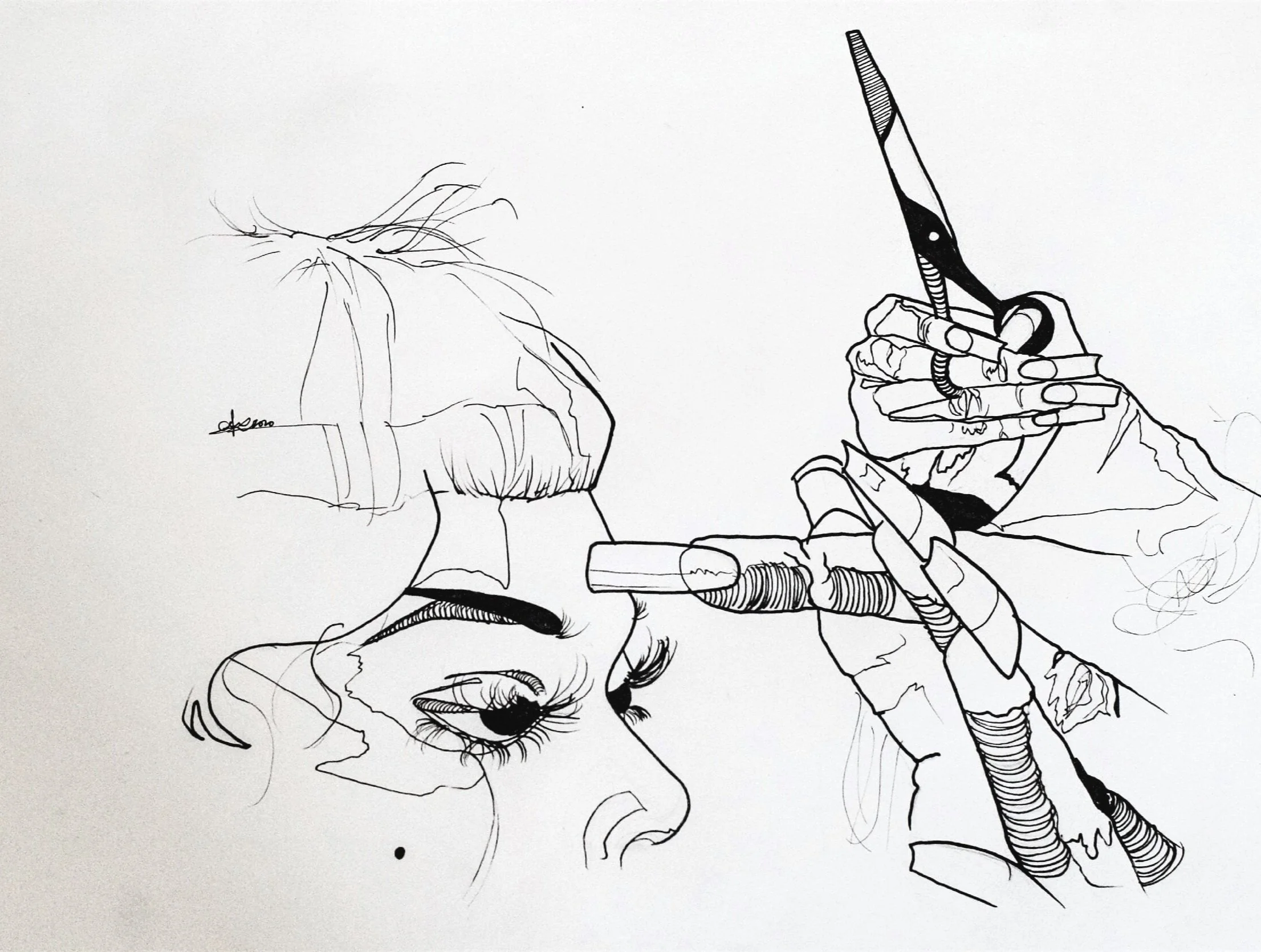
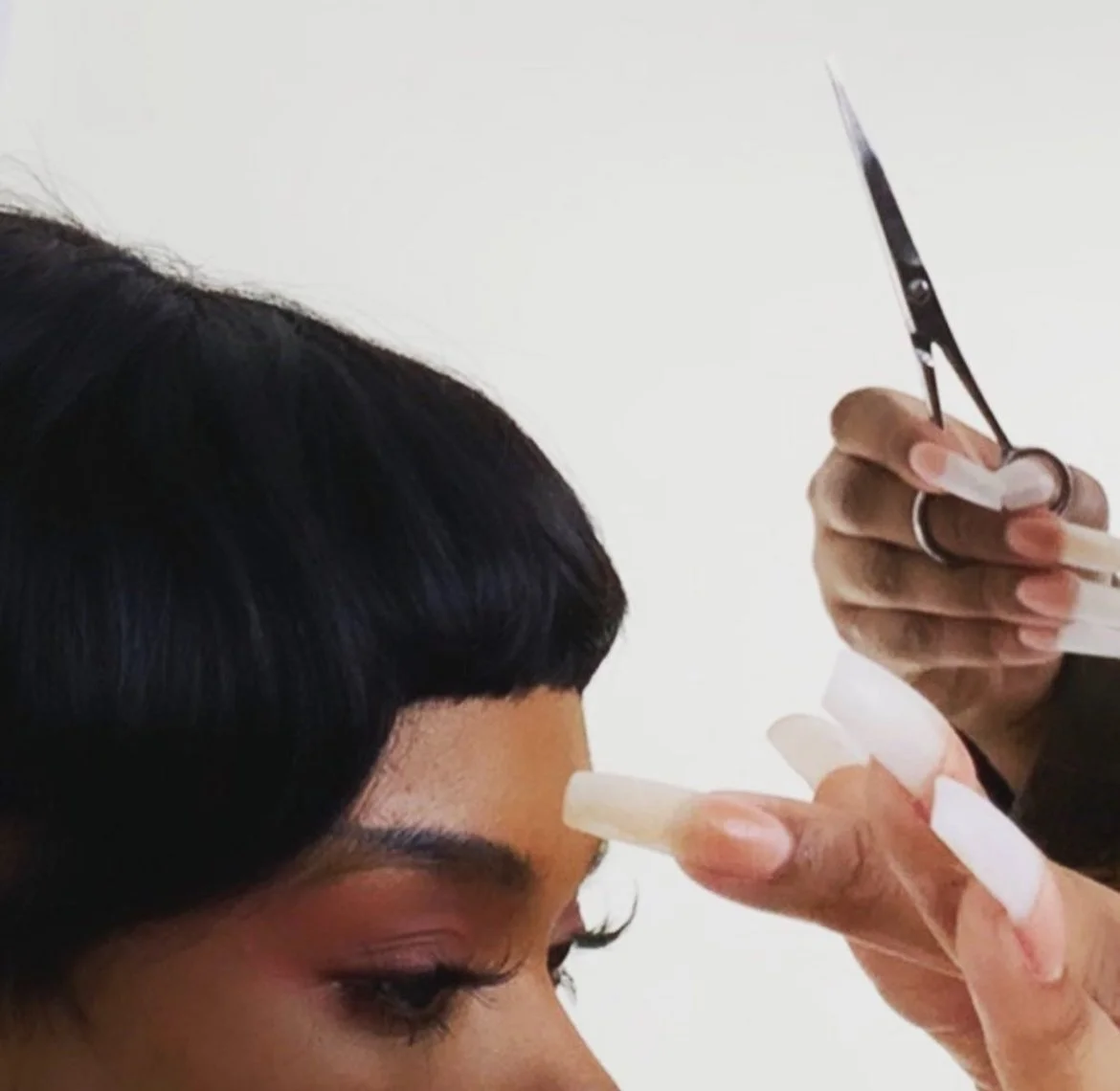
I was talking with a subject of mine for a project I'm writing when they shared that they had burned their hand while working on one of their pieces. They told me how due to the severity of the burn they could not work on their art for almost a month. As we talked about their healing process the subject of insuring their hands as an artist/maker came up and how invaluable their hands are to the production of their work. Following that conversation, I began to think a lot about the relationship that black female artists have as producers of art and as a commodity. The black body is the only body in the United States seen previously as both a product and a commodity, sold and traded, bred and birthed. So I decided to open up a dialog for myself in writing to propose that the black female artist's hands are priceless as the work that they make cannot be reproduced since the experience of the black female body as a commodity is not relatable to any other gender or race. I will use citations from Alicia Dawn's thesis Remembering the Normative Black Female Body: A Critical Investigation of Race, Gender and Disability In Octavia Bultlers Kindred, and Toi Morision’s Sula to break down my sentiments.
It is a societal construct that the black female body has something to offer the nation. She is a commodity that can produce commodities in both her hands and womb. Though we may be four hundred years removed from slavery I believe there is value in considering the commodification of the black female artist's hands. That what the artist has to produce of her mind and the labor of her hands can influence the world. So what is the worth of the black female artist's hands? Is her work and the value of what she produces influenced or decreased by injury? I speculate that the value of the black artist's hands is affected by this country's practice of commodification of the black body. The development and profit of black bodies in the insurance industry is evidence that black body holds value damaged and whole. It is my opinion that the black female artist is a bounty of creativity and I believe black artist's hands are of unquantifiable worth as their contributions to America’s construction are invaluable. The black body is of value because it can also produce commodities - art, music, goods for trade, and itself. If a commodity can reproduce goods shouldn't it be considered priceless, unless damaged or impaired? In 2016 a New York Times article was published tracing policies sold on slaves at popular life insurance corporation New York Life.
“Alive, slaves were among a white man’s most prized assets. Dead, they were considered virtually worthless. Life insurance changed that calculus, allowing slave owners to recoup three-quarters of a slave’s value in the event of an untimely death.”
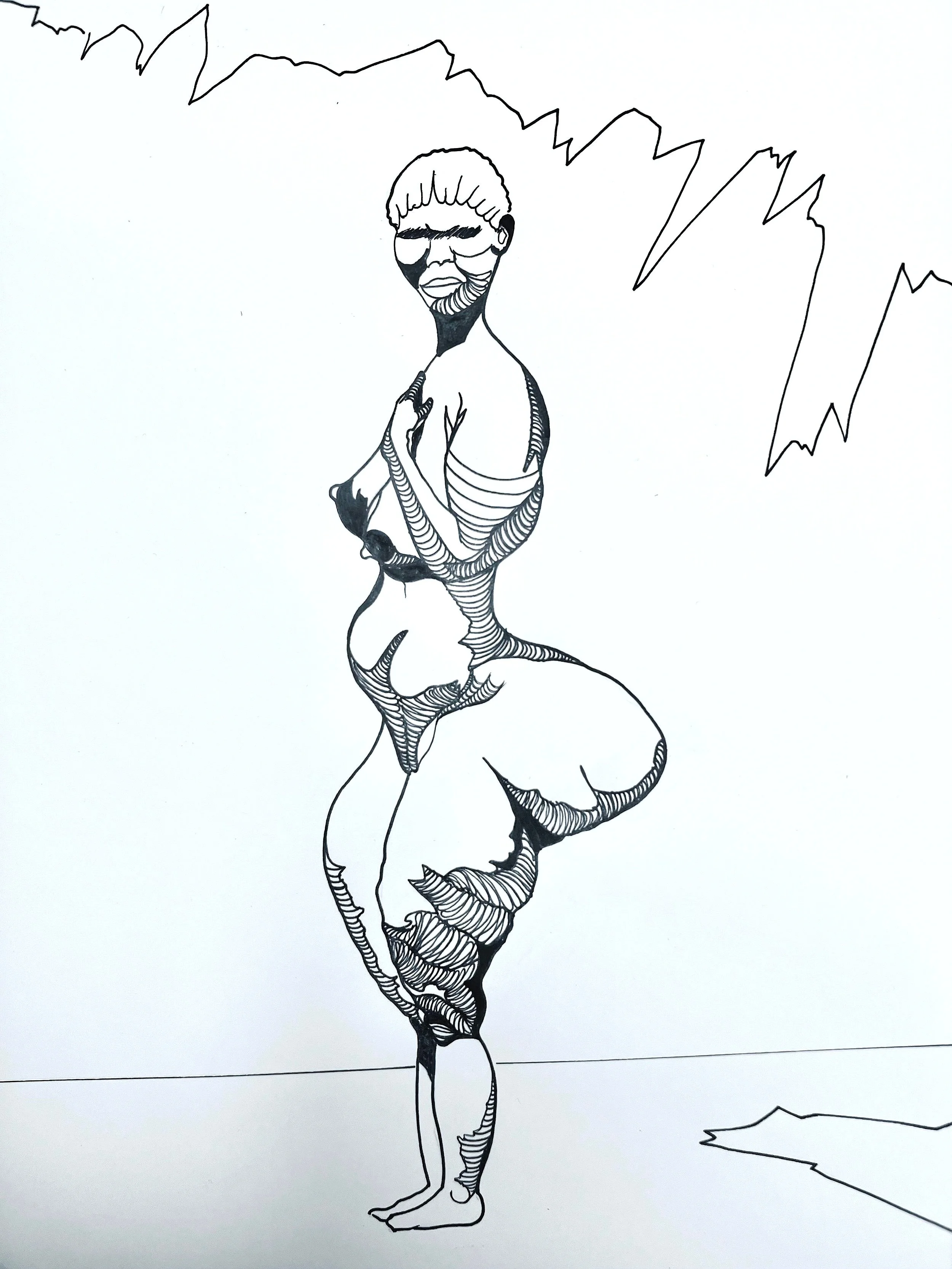
The black body both deformed and healthy is priceless in the eyes of the marketplace. Anything worth having to insure for damage is considered valuable and irreplaceable. Insurance provides security for an item in the event that it can be damaged lost stolen or in the case of human life ended. So to the point of the black female artist if black bodies were insured for the purpose of protecting a labor investment, it is only right that the black female artist's hands be considered invaluable for what they can produce cannot be counterfeit and without her hands nothing new can be given. Physically able yet disabled as a subject in a culture that posits her very race and gender as social defects Pg.2. Physically able to be a laborer, however, Baartman is perceived as an oddity as a result of what she possesses in comparison to whiteness. Here the increased production, sale, and exploitation of black artists' images, art, and narrative post-mortem in comparison to the white artist stands out to me. Baartman provides us with the insight that even in death there is a profit to be made from our labor. After her death, Bartman was carved into pieces, her brain, genitals, and skeleton displayed in Paris’ Musée de l’Homme for public consumption Pg.5-6. Post mortem Sarah Baartman's body earned income for its exhibitioners, leaning into Dawson’s argument that the disfigured black female body still offered something to society that the normative female body did not. Yet both on display and in a disfigured exhibition, Sarah was an unmatched product in the market. I believe it is still the same for what the female black artist produces from her hands. Even injured as my subject was they still worked through that pain to produce a piece of work that has since been in exhibition. In the same way that their art is displayed when her hands are whole.
When I talk about the black female artist now alongside the word commodity it is not to degrade her, her worth, or to assign an owner to her outside of herself. Rather to point out that previously the black body was considered an import that could physically expel other “items” from itself that were of value to her owners and herself. Now when the black female artist makes work what she creates so much of herself is put into that there is an equation to the item being a child that of her flesh, her labor. Though Sarah Baartman “The Venus Hottentot” never labored in producing children her body served as the work the item. “A visual commodity, she was herself a mode of production; continually reinvested each time she mounted the sideshow stage, the Hottentot was a profit-making machine for her captors”. Pg.5
Black slavery enriched the country’s creative possibilities. For in that construction of blackness and enslavement could be found not only the not-free but also, with the dramatic polarity created by skin color, the projection of the not-me. The result was a playground for the imagination. What rose up out of collective needs to allay internal fears and to rationalize external exploitation was an American Africanism—a fabricated brew of darkness, otherness, alarm, and desire that is uniquely American (38 Morrison, Playing in the Dark). (Pg6 Dawson)
The development of racial groups created opportunities for the fiscal exploitation of anything outside of the white body. If the black body exists and provides - labor, income, bodies, and materials of trade the black body is having a radical experience in comparison to the white body. So what drives the current black female artist to create and produce cannot be replicated with the same authenticity in the white body because it was not subjected or assimilated to labor. What the black body creates cannot be separated from its blackness. Our experience in this country informs the value that the black body has. The argument can be made that black art in America is not informed or reflective of the African American slave trade, but to exist here and make and sell is to experience the scope of the black body as a commodity. The art available on the free market is a market the black body was once a product of. Close readings of Kindred and Sula reveal that able-bodiedness is not always an indicator of cultural freedom for the black female body Pg 12. Not all art made from the black body serves to liberate the black body. Some works are an exploitation of our own experiences as a return to commodity. The video Vixen has a lane because of Venus Hottentot. Although this isn't the group that I am focusing this piece on, their role in entertainment still unwraps my thought that the display of their bodies though explotative is still a reclaim of our economic value.
When I first landed on the idea of this paper I shared the idea with a fellow black artist who is a more mainstream photographer, she thought the idea interesting however shed too much light on the relationship the black body holds to slavery. So any mention of the black body as a commodity would deter from highlighting the value of the black female artist's hands. There is no part of my blackness that is unrelated to its labor in the United States. Though I have never been bought or sold, had my flesh brutalized, or produced children for labor I acknowledge my creativity and craftsmanship can be related to the skills of my ancestors. My body not being native to this land increases my value here and that of everything I create.
A racial hierarchy positing the black body as biologically-programmed to produce is not spontaneously generated—it is, rather, a strategic construction, ideologically implanted by a slave economy’s owners of production. Pg.17 - Society has already given the black female artist permission to openly price the results of our labor, the art, with a numerical value of our choosing because their societal system is dependent on our ability to produce. If we were to eliminate black art and products from the market there would be nothing and no one to replace it. Time and time again I have seen large corporations take the ideas, concepts, and designs of black artists and content creators and assign a white body to these concepts to increase the market value. This is done without the rightful payment or accreditation to the original artist. This is not to say that there are not those of intelligence or creative ability outside of the black body in the United States rather that the influence the black female artist has had on our economy is invaluable and without comparison.
In my opinion the black female artist's hands are priceless because only we can produce of ourselves what we have inside us. As consumers and supporters, we have the responsibility to recognize and uplift black female artists, recognizing the value of their work and the hands that created it.
Reference
Dawson, Alicia. Remembering the Normative Black Female Body: A Critical Investigation of Race, Gender and Disability In Octavia Bultlers Kindred, and Toi Morision’s. Graduate School of Arts and Sciences of Georgetown University, Sept. 2009, pp. 1–17. https://repository.library.georgetown.edu/handle/10822/553044, https://repository.library.georgetown.edu/bitstream/handle/10822/553044/sellittiAliciaDawn.pdf?sequence=1&isAllowed=y.
Swarns, Rachel L. “The New York Times - Breaking News, US News, World News and Videos.” The New York Times - Breaking News, US News, World News and Videos, 18 Dec. 2016, https://www.nytimes.com//2016/12/18/us/insurance-policies-on-slaves-new-york-lifes-complicated-past.html.